1
Belgrade, Serbia
4 nights
My Plan:
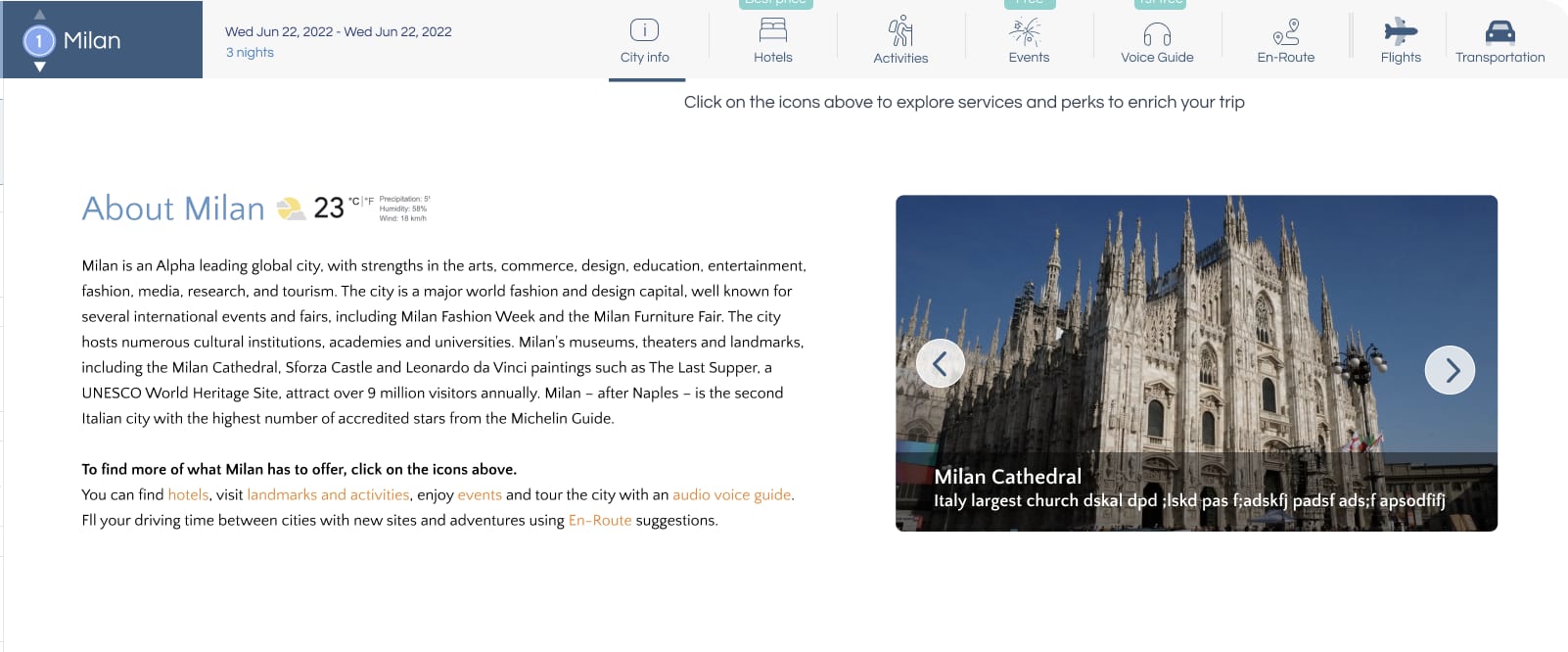
Belgrade is the capital and largest city of Serbia. It is located at the confluence of the Sava and Danube rivers, where the Pannonian Plain meets the Balkans. Its name translates to White City. One of the most important prehistoric cultures of Europe, the Vinča culture, evolved within the Belgrade area in the 6th millennium BC. Throughout its history, the city has been settled by Celts, Romans, Slavs, Franks, Hungarian, and Ottoman. Belgrade has been awarded many titles, and is classified as a Beta- global city. Its main attractions include Belgrade Fortress, Nikola Tesla Museum and other fascinating museums, churches, parks, and a wonderful beach.
Belgrade
Free cancellation
Sights on the way 191.35 km | 1 hr 52 mins
Subotica is a city in northern Vojvodina, Serbia. Formerly the largest city of Vojvodina region, contemporary Subotica is now the second largest city in the province, following Novi Sad. It is also the fifth largest city in Serbia. Subotica is a multiethnic city, with Hungarians (35.65%), Serbs (27.02%), Croats (10.00%) and Bunjevci (9.67%) as largest ethnic groups. It is the administrative centre of the North Backa District. Its main attractions are Cathedral of St. Theresa of Avila, Subotica Synagogue, Likovni susret Art Gallery, City Museum, City Hall, and many marvelous examples of Art Nouveau architecture.
Subotica
Free cancellation
Sights on the way 109.35 km | 1 hr 10 mins
Novi Sad is the second largest city in Serbia, the capital of the province of Vojvodina and the administrative seat of the South Backa District. It is located in the southern part of the Pannonian Plain, on the border of the Backa and Srem regions, on the banks of the Danube river, facing the northern slopes of Fruska Gora mountain. Novi Sad was founded in 1694, when Serb merchants formed a colony across the Danube from the Petrovaradin fortress, a Habsburg strategic military post. Novi Sad is an industrial and financial center of the Serbian economy, as well as a major cultural center. Its main sights include the Petrovaradin Fort, a City Museum, Danube Park, St. Mary Cathedral, and more.
Novi Sad
Free cancellation
Sights on the way 326.86 km | 3 hrs 1 min
Vrnjacka Banja is a town, municipality, and a resort, mineral spa located in Raska District of Serbia. It contains hot spring with a temperature measuring exactly that of the human body (36.5 degrees Celsius). Vrnjacka Banja is the most celebrated and most popular spa town of Serbia and at same time, a very attractive recreative centre. Situated in a great park full of trees with particularly charming houses, the town has a promising future. Surrounding Vrnjacka Banja are UNESCO protected medieval buildings. Other nearby landmarks include the first court of the Serbian Archbishop, Zica Monastery, Sopocani Monastery, Studenica Monastery, and more.
Vrnjacka Banja
Free cancellation
Sights on the way 233.22 km | 2 hrs 12 mins
Belgrade is the capital and largest city of Serbia. It is located at the confluence of the Sava and Danube rivers, where the Pannonian Plain meets the Balkans. Its name translates to White City. One of the most important prehistoric cultures of Europe, the Vinča culture, evolved within the Belgrade area in the 6th millennium BC. Throughout its history, the city has been settled by Celts, Romans, Slavs, Franks, Hungarian, and Ottoman. Belgrade has been awarded many titles, and is classified as a Beta- global city. Its main attractions include Belgrade Fortress, Nikola Tesla Museum and other fascinating museums, churches, parks, and a wonderful beach.
Belgrade
Free cancellation
1
2
3
4
5

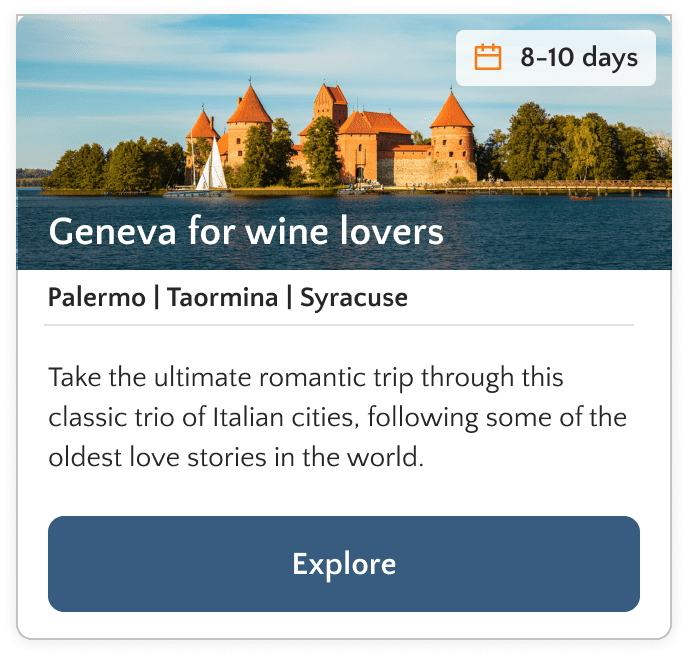
Serbian Treasures
11 days
RoutePerfect YOUR ULTIMATE TRIP PLANNER
Go to your plan1
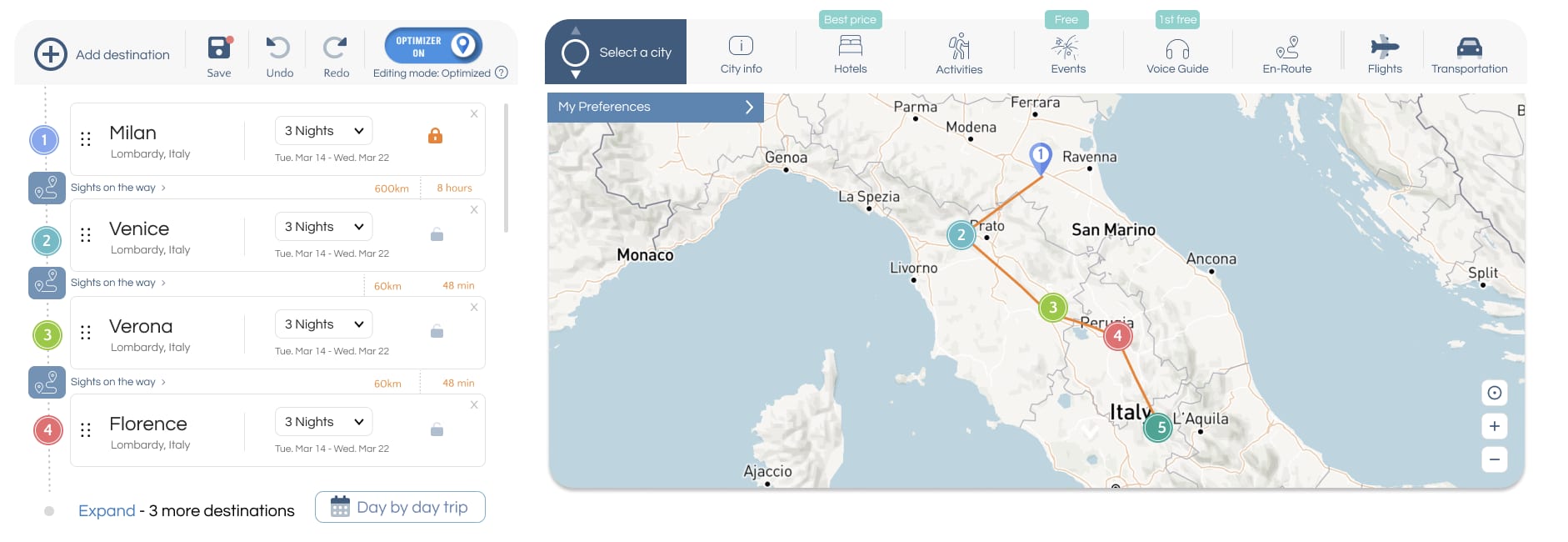
Belgrade, Serbia
4 nights
191.35 km | 1 hr 52 mins
2
Subotica, Serbia
2 nights
109.35 km | 1 hr 10 mins
3
Novi Sad, Serbia
3 nights
326.86 km | 3 hrs 1 min
4
Vrnjacka Banja, Serbia
2 nights
233.22 km | 2 hrs 12 mins
5
Belgrade, Serbia
0 nights