My Plan: 

See it all South Korea

Rename
15 days

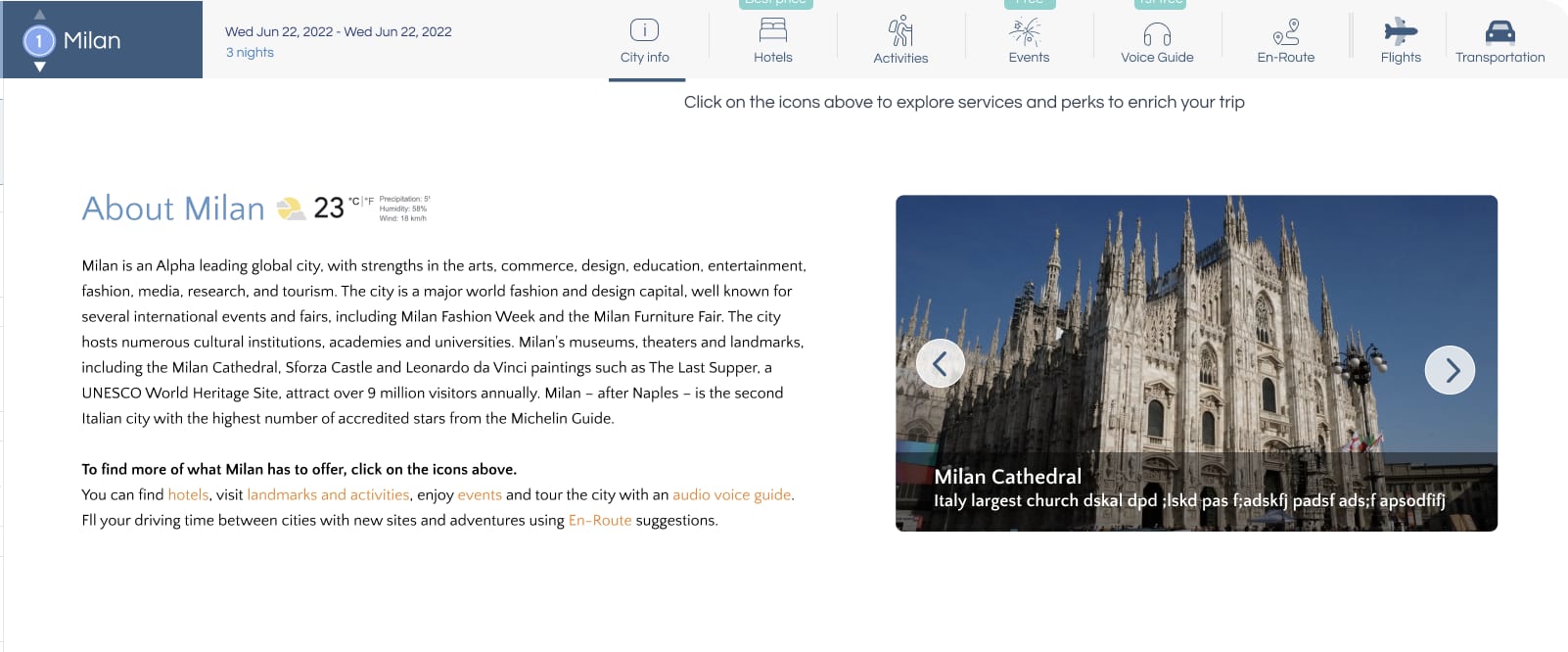
About Seoul

Situated on the Han River, Seoul's history stretches back more than 2,000 years when it was founded in 18 BCE by Baekje, one of the Three Kingdoms of Korea. It continued as the capital of Korea under the Joseon Dynasty. The Seoul Capital Area contains 5 UNESCO World Heritage Sites: Changdeok Palace, Hwaseong Fortress, Jongmyo Shrine, Namhansanseong and the Royal Tombs of the Joseon Dynasty. Seoul is surrounded by mountains, the tallest being Mt. Bukhan, the world's most visited national park per square foot.

Situated on the Han River, Seoul's history stretches back more than 2,000 years when it was founded in 18 BCE by Baekje, one of the Three Kingdoms of Korea. It continued as the capital of Korea under the Joseon Dynasty. The Seoul Capital Area contains 5 UNESCO World Heritage Sites: Changdeok Palace, Hwaseong Fortress, Jongmyo Shrine, Namhansanseong and the Royal Tombs of the Joseon Dynasty. Seoul is surrounded by mountains, the tallest being Mt. Bukhan, the world's most visited national park per square foot.

re-order

Seoul

Free cancellation

en route icon

Sights on the way 224.53 km | 2 hrs 43 mins

About Gangneung

Gangneung is a city in Gangwon-do, on the east coast of South Korea. Gangneung is the economic center of the Yeongdong region of Gangwon Province. Gangneung has many tourist attractions, such as Jeongdongjin, a very popular area for watching the sun rise, and Gyeongpo Beach. There are a number of historical remains and museums in Gangneung. The most prominent being the Ojukheon Museum, which includes one of the oldest wooden buildings in Korea. Several shrines and old residential buildings deliver insight into the lives of local Koreans dignitaries. Next to the Ojukheon Museum there is the Gangneung Municipal Museum which shows folklore and antique pieces from the history of the city.

Gangneung is a city in Gangwon-do, on the east coast of South Korea. Gangneung is the economic center of the Yeongdong region of Gangwon Province. Gangneung has many tourist attractions, such as Jeongdongjin, a very popular area for watching the sun rise, and Gyeongpo Beach. There are a number of historical remains and museums in Gangneung. The most prominent being the Ojukheon Museum, which includes one of the oldest wooden buildings in Korea. Several shrines and old residential buildings deliver insight into the lives of local Koreans dignitaries. Next to the Ojukheon Museum there is the Gangneung Municipal Museum which shows folklore and antique pieces from the history of the city.

re-order

Gangneung

Free cancellation

en route icon

Sights on the way 198.93 km | 3 hrs

About Andong

Andong is a city in South Korea, and the capital of North Gyeongsang Province. The Nakdong River flows through the city. Andong is a market center for the surrounding agricultural areas. Andong is known as a center of culture and folk traditions. The surrounding area maintains many ancient traditions, so in mid October the Andong Folk Festival is held every year. One of the most famous aspects of these cultural festivities are the Andong masks. Andong has famous local foods that originated in the city such as heotjesabap, Andong jjimdak, Andong soju (a rice wine), Andong sikhye (a punch), Geonjin guksu (a noodle dish), and salted mackerel.

Andong is a city in South Korea, and the capital of North Gyeongsang Province. The Nakdong River flows through the city. Andong is a market center for the surrounding agricultural areas. Andong is known as a center of culture and folk traditions. The surrounding area maintains many ancient traditions, so in mid October the Andong Folk Festival is held every year. One of the most famous aspects of these cultural festivities are the Andong masks. Andong has famous local foods that originated in the city such as heotjesabap, Andong jjimdak, Andong soju (a rice wine), Andong sikhye (a punch), Geonjin guksu (a noodle dish), and salted mackerel.

re-order

Andong

Free cancellation

en route icon

Sights on the way 144.20 km | 1 hr 48 mins

About Gyeongju

Gyeongju was the capital of the ancient kingdom of Silla (57 BC – 935 AD) which ruled about two-thirds of the Korean Peninsula between the 7th and 9th centuries. A vast number of archaeological sites and cultural properties from this period remain in the city. Gyeongju is often referred to as "the museum without walls". Among such historical treasures, Seokguram grotto, Bulguksa temple, Gyeongju Historic Areas and Yangdong Folk Village are designated as World Heritage Sites by UNESCO. The many major historical sites have helped Gyeongju become one of the most popular tourist destinations in South Korea.

Gyeongju was the capital of the ancient kingdom of Silla (57 BC – 935 AD) which ruled about two-thirds of the Korean Peninsula between the 7th and 9th centuries. A vast number of archaeological sites and cultural properties from this period remain in the city. Gyeongju is often referred to as "the museum without walls". Among such historical treasures, Seokguram grotto, Bulguksa temple, Gyeongju Historic Areas and Yangdong Folk Village are designated as World Heritage Sites by UNESCO. The many major historical sites have helped Gyeongju become one of the most popular tourist destinations in South Korea.

re-order

Gyeongju

Free cancellation

en route icon

Sights on the way 282.64 km | 3 hrs 18 mins

About Gwangju

Gwangju is the sixth largest city in South Korea. It is a designated metropolitan city under the direct control of the central government's Home Minister. The city was also the capital of South Jeolla Province until the provincial office moved to the southern village of Namak in Muan County in 2005. Gwang means "light" and Ju means "province." Areas of scenery along the outskirts of the city gave birth to gasa, a form of Korean classical poetry. Located in the center of the agricultural Jeolla region, the city is also famous for its rich and diverse cuisine.

Gwangju is the sixth largest city in South Korea. It is a designated metropolitan city under the direct control of the central government's Home Minister. The city was also the capital of South Jeolla Province until the provincial office moved to the southern village of Namak in Muan County in 2005. Gwang means "light" and Ju means "province." Areas of scenery along the outskirts of the city gave birth to gasa, a form of Korean classical poetry. Located in the center of the agricultural Jeolla region, the city is also famous for its rich and diverse cuisine.

re-order

Gwangju

Free cancellation

en route icon

Sights on the way 298.29 km | 3 hrs 21 mins

About Seoul

Situated on the Han River, Seoul's history stretches back more than 2,000 years when it was founded in 18 BCE by Baekje, one of the Three Kingdoms of Korea. It continued as the capital of Korea under the Joseon Dynasty. The Seoul Capital Area contains 5 UNESCO World Heritage Sites: Changdeok Palace, Hwaseong Fortress, Jongmyo Shrine, Namhansanseong and the Royal Tombs of the Joseon Dynasty. Seoul is surrounded by mountains, the tallest being Mt. Bukhan, the world's most visited national park per square foot.

Situated on the Han River, Seoul's history stretches back more than 2,000 years when it was founded in 18 BCE by Baekje, one of the Three Kingdoms of Korea. It continued as the capital of Korea under the Joseon Dynasty. The Seoul Capital Area contains 5 UNESCO World Heritage Sites: Changdeok Palace, Hwaseong Fortress, Jongmyo Shrine, Namhansanseong and the Royal Tombs of the Joseon Dynasty. Seoul is surrounded by mountains, the tallest being Mt. Bukhan, the world's most visited national park per square foot.

re-order

Seoul

Free cancellation

Expand

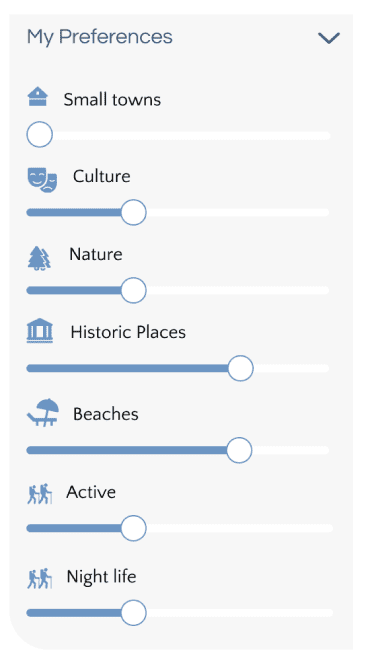
My preferences

5
Small Towns
5
Culture
5
Great Food
5
Nature
5
Historic Places
5
Beaches
5
Night Life
5
Active

Book hotels through RoutePerfect. Secure rooms and rates – free cancellation available. Enjoy Booking.com Genius loyalty program and get travel perks worth up to $300.

Booking.com logo Genius Discounts
Level 1
10% discounts on stays,
applied to the price before taxes & fees.
Level 2
10-15% discounts on stays,
applied to the price before taxes & fees
Level 3
10-20% discounts on stays,
applied to the price before taxes & fees
10% discounts on rental cars,
applied to cost of car only
10-15% discounts on rental cars,
applied to cost of car only
10-20% discounts on rental cars,
applied to cost of car only
+
Routeperfect logo Travel Perks
En-Route
Worth: $200 per car
Discover sights and attractions as you drive between destinations with our ‘En-Route’ app.
Audio City Guide
Worth: $10 - $20 per tour
Explore each city at your own pace with curated audio guides - enjoy one free guide with every stay.
Mobile Organizer
Worth: $10 - $20
Access all your trip details conveniently on your phone, organized in one central place.
Occasions & Events
Worth: $40
Stay up to date on all local events and activities in every destination.

Your trip Itinerary

See it all South Korea

14 days

RoutePerfect YOUR ULTIMATE TRIP PLANNER

Go to your plan
map

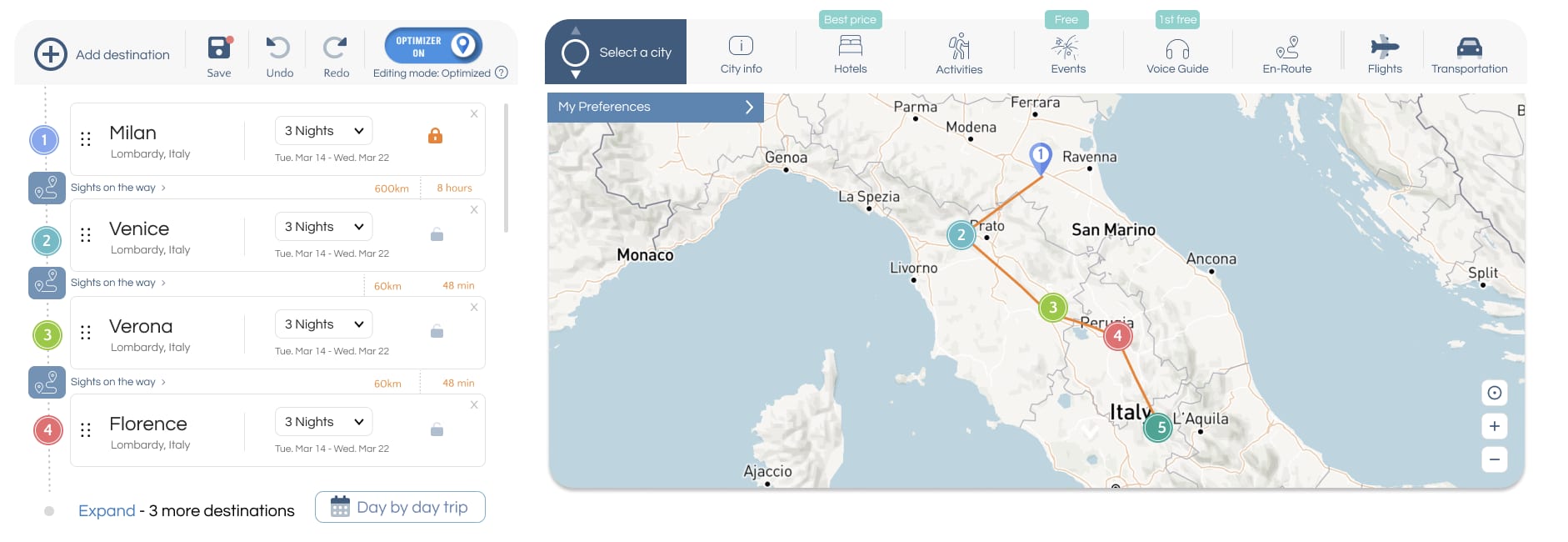
1

Seoul, South Korea

3 nights

224.53 km | 2 hrs 43 mins

2

Gangneung, South Korea

2 nights

198.93 km | 3 hrs

3

Andong, South Korea

3 nights

144.20 km | 1 hr 48 mins

4

Gyeongju, South Korea

3 nights

282.64 km | 3 hrs 18 mins

5

Gwangju, South Korea

2 nights

298.29 km | 3 hrs 21 mins

6

Seoul, South Korea

1 nights