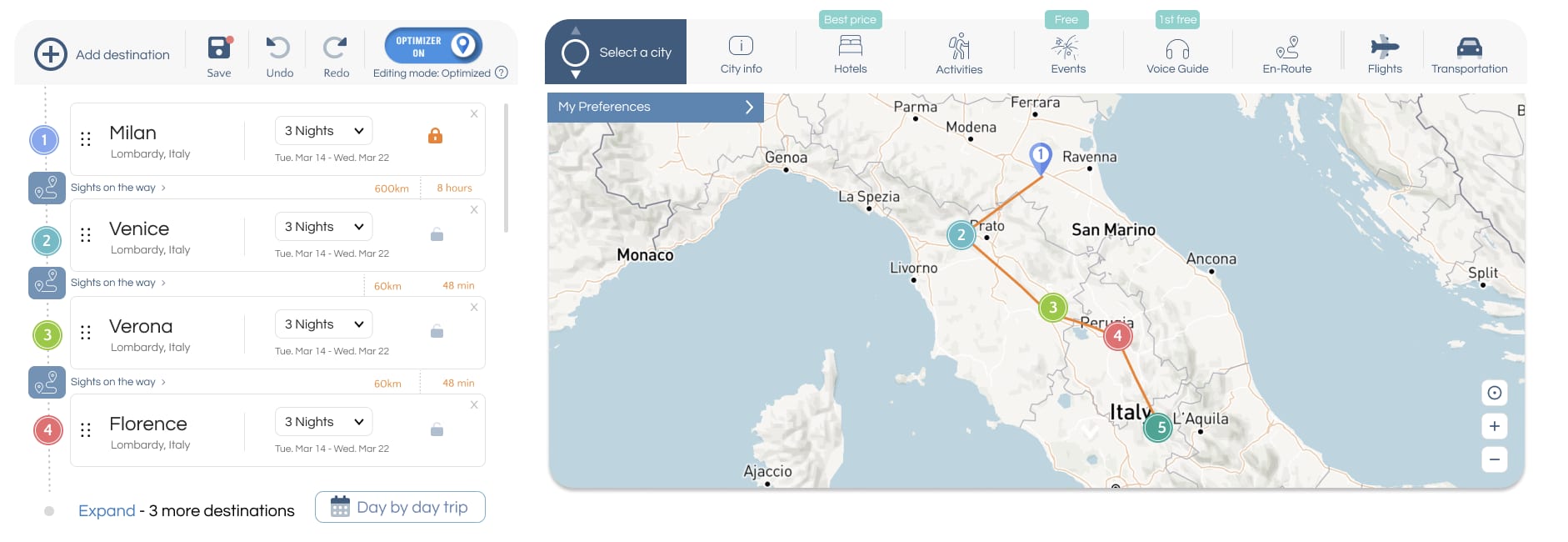
My Plan: 

Nightlife Across Israel

Rename
8 days

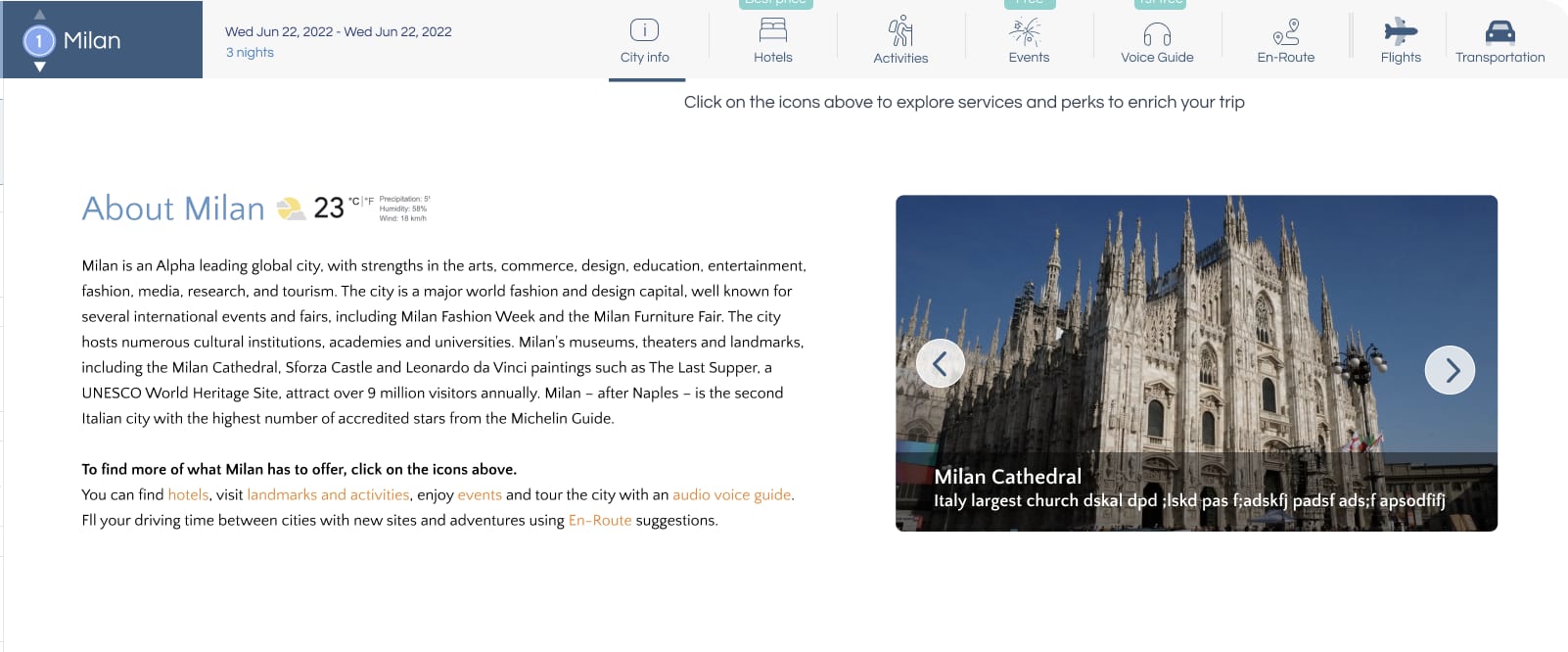
About Tel Aviv

Tel Aviv, a vibrant and exciting city, is a relatively new city in a country that has ancient roots. Founded in 1909 and built on the dreams and hopes of Jews who arrived there from all corners of the world, the city sprung up on the white sand dunes next to the ancient city of Jaffa – the very place where the prophet Jonah descended to escape from his God and on whose shores he was ejected from the belly of the whale. 

Tel Aviv, a vibrant and exciting city, is a relatively new city in a country that has ancient roots. Founded in 1909 and built on the dreams and hopes of Jews who arrived there from all corners of the world, the city sprung up on the white sand dunes next to the ancient city of Jaffa – the very place where the prophet Jonah descended to escape from his God and on whose shores he was ejected from the belly of the whale. 

The city was constructed at a dizzying pace, with each wave of refugees building a small community and enclave. The Yemenite Jews settled in the Shabazi neighborhood, and the Russians made Florentine their home. In the years preceding World War II, there was a large influx of Jewish refugees from Poland and Germany. The city became a colorful melting pot of cultures – the ubiquitous falafel stands along with Schubert's Piano Trio, sausage stands accompanied by native Yemenite melodies. As you head toward the opera and the concert halls, you’ll find oriental markets filled with the smells and sounds of Egypt, India, Iraq, and Turkey. Each culture brought its own characteristic building style. The German Bauhaus from the 1930’s, with its straight lines, is a dominant style – in fact, there are over 4,000 Bauhaus buildings in Tel Aviv, earning the city the nickname, “the White City.” This international style co-exists with many others, including houses decorated with oriental features. In Tel Aviv, it is almost impossible to find a single house that resembles its neighbor! As you walk from the famous Jaffa flea market toward the north of the city, the sights change quickly. You’ll see the colony of the Christian German Templars who aspired to lay a path to Christ and built houses with red tiled roofs. You’ll then arrive in Florentine, the "SoHo" of Tel Aviv - an area with outstanding wall murals and streets full of cafes and restaurants. You’ll then reach the Levinsky Market and find food specialties of just about every nationality. There are stalls laden with spices, herbs, legumes, vegetables, cheeses, pickles, and olives. Among the shops, there are Persian restaurants that give you the feeling that you are in Tehran, as well as various Jewish, Indian, and Bukhari restaurants. Adding to the eclectic mix, you’ll find all the flavors of the Far East represented here- from Thailand, to Vietnam, to Japan. Tel Aviv is the culinary capital of Israel and the place where an original, creative Israeli cuisine began to emerge - a blend of East and West. You’ll find everything from affordable street food in the bustling Carmel Market to gourmet restaurants that are deserving of visits from Michelin representatives. Tel Aviv is also the most important cultural center in Israel. It is the seat of the Israel Philharmonic Orchestra whose opening concert season in 1936-37 was conducted by Arturo Toscanini. This world-famous conductor came as a protest to the treatment of the Jews by the Germans when Hitler came to power. There is almost no evening in Tel Aviv without several musical events - starting with Israeli rock and roll, original jazz, ethnic music in the clubs scattered throughout the city, classical chamber music, and many concerts. The origins of modern Israeli art were in Tel Aviv, home to painters who were influenced by the bright sun, the strong colors of the region, and oriental motifs. The city is dotted with galleries that present the works of the most important Israeli artists. Local dance was also developed In Tel Aviv, with world-renowned contemporary dance groups such as the Bat Sheva Dance Group, which is based in the Suzan Dellal Center for Dance and Theater in the picturesque Neve Tzedek neighborhood. Museums are also an important part of Tel Aviv culture. Don’t miss the newly renovated Anu Museum which presents the history of the Jewish people around the world from the time of the exile two thousand years ago. The museum, whose exhibits are engaging and interactive, is located on the campus of Tel Aviv University. The Tel Aviv Museum of Art is an architectural gem and exhibits impressive collections of both Israeli and international contemporary and classic art. The Eretz Israel Museum houses collections of the country’s archaeology and traditions, including an on-site excavation of ruins from the 12th century. Tel Aviv is also known for its vibrant nightlife – from underground clubs to rooftop bars, you can dance the night away. A visit to Tel Aviv wouldn’t be complete without chillin’ on the city’s golden sand beaches that stretch for miles from the Tel Aviv port to the Jaffa port. There is a beautiful promenade and bike path which is lined with restaurants and cafes, and there are beach volleyball courts and enthusiastic paddle ball games all along the route. At the turquoise waters of the Tel Aviv beach, you’ll see an intermingling of bathers in a variety of swimming attire - from bikinied women, to Arab women in Burkas, to fully-clothed Orthodox women. And this sums up one of the most unique features of Tel Aviv – it is a modern, free city where everyone can do their thing and co-exist –secular, religious, LGBT, Christian, or Muslim. Tel Aviv is the city where the language of the Bible- Hebrew- was revived after 2,000 years and adapted to be a modern language. While Hebrew is most commonly spoken here, you’ll hear a mix of other languages, as well - English, French, Arabic, German and Yiddish. Lastly, and very important - here, in Tel Aviv, the State of Israel was born. On May 14, 1948, David Ben Gurion declared the state’s independence in Independence Hall located on the wide, stately Rothschild Boulevard. Really, there is no other place quite like this in the world that was created just over a hundred years ago. Just stroll the streets and take in your surroundings! You’ll start to understand why Tel Aviv, like New York, earned the moniker “the city that never sleeps!”

re-order

Tel Aviv

Free cancellation

en route icon

Sights on the way 343.11 km | 4 hrs 14 mins

About Eilat

Eilat is Israel's southernmost city, a busy port and popular resort at the northern tip of the Red Sea, on the Gulf of Aqaba. Eilat's arid desert climate and low humidity are moderated by proximity to a warm sea. The city's beaches, coral reef, nightlife and desert landscapes make it a popular destination for domestic and international tourism.

Eilat is Israel's southernmost city, a busy port and popular resort at the northern tip of the Red Sea, on the Gulf of Aqaba. Eilat's arid desert climate and low humidity are moderated by proximity to a warm sea. The city's beaches, coral reef, nightlife and desert landscapes make it a popular destination for domestic and international tourism.

re-order

Eilat

Free cancellation

en route icon

Sights on the way 345.19 km | 4 hrs 16 mins

About Tel Aviv

Tel Aviv, a vibrant and exciting city, is a relatively new city in a country that has ancient roots. Founded in 1909 and built on the dreams and hopes of Jews who arrived there from all corners of the world, the city sprung up on the white sand dunes next to the ancient city of Jaffa – the very place where the prophet Jonah descended to escape from his God and on whose shores he was ejected from the belly of the whale. 

Tel Aviv, a vibrant and exciting city, is a relatively new city in a country that has ancient roots. Founded in 1909 and built on the dreams and hopes of Jews who arrived there from all corners of the world, the city sprung up on the white sand dunes next to the ancient city of Jaffa – the very place where the prophet Jonah descended to escape from his God and on whose shores he was ejected from the belly of the whale. 

The city was constructed at a dizzying pace, with each wave of refugees building a small community and enclave. The Yemenite Jews settled in the Shabazi neighborhood, and the Russians made Florentine their home. In the years preceding World War II, there was a large influx of Jewish refugees from Poland and Germany. The city became a colorful melting pot of cultures – the ubiquitous falafel stands along with Schubert's Piano Trio, sausage stands accompanied by native Yemenite melodies. As you head toward the opera and the concert halls, you’ll find oriental markets filled with the smells and sounds of Egypt, India, Iraq, and Turkey. Each culture brought its own characteristic building style. The German Bauhaus from the 1930’s, with its straight lines, is a dominant style – in fact, there are over 4,000 Bauhaus buildings in Tel Aviv, earning the city the nickname, “the White City.” This international style co-exists with many others, including houses decorated with oriental features. In Tel Aviv, it is almost impossible to find a single house that resembles its neighbor! As you walk from the famous Jaffa flea market toward the north of the city, the sights change quickly. You’ll see the colony of the Christian German Templars who aspired to lay a path to Christ and built houses with red tiled roofs. You’ll then arrive in Florentine, the "SoHo" of Tel Aviv - an area with outstanding wall murals and streets full of cafes and restaurants. You’ll then reach the Levinsky Market and find food specialties of just about every nationality. There are stalls laden with spices, herbs, legumes, vegetables, cheeses, pickles, and olives. Among the shops, there are Persian restaurants that give you the feeling that you are in Tehran, as well as various Jewish, Indian, and Bukhari restaurants. Adding to the eclectic mix, you’ll find all the flavors of the Far East represented here- from Thailand, to Vietnam, to Japan. Tel Aviv is the culinary capital of Israel and the place where an original, creative Israeli cuisine began to emerge - a blend of East and West. You’ll find everything from affordable street food in the bustling Carmel Market to gourmet restaurants that are deserving of visits from Michelin representatives. Tel Aviv is also the most important cultural center in Israel. It is the seat of the Israel Philharmonic Orchestra whose opening concert season in 1936-37 was conducted by Arturo Toscanini. This world-famous conductor came as a protest to the treatment of the Jews by the Germans when Hitler came to power. There is almost no evening in Tel Aviv without several musical events - starting with Israeli rock and roll, original jazz, ethnic music in the clubs scattered throughout the city, classical chamber music, and many concerts. The origins of modern Israeli art were in Tel Aviv, home to painters who were influenced by the bright sun, the strong colors of the region, and oriental motifs. The city is dotted with galleries that present the works of the most important Israeli artists. Local dance was also developed In Tel Aviv, with world-renowned contemporary dance groups such as the Bat Sheva Dance Group, which is based in the Suzan Dellal Center for Dance and Theater in the picturesque Neve Tzedek neighborhood. Museums are also an important part of Tel Aviv culture. Don’t miss the newly renovated Anu Museum which presents the history of the Jewish people around the world from the time of the exile two thousand years ago. The museum, whose exhibits are engaging and interactive, is located on the campus of Tel Aviv University. The Tel Aviv Museum of Art is an architectural gem and exhibits impressive collections of both Israeli and international contemporary and classic art. The Eretz Israel Museum houses collections of the country’s archaeology and traditions, including an on-site excavation of ruins from the 12th century. Tel Aviv is also known for its vibrant nightlife – from underground clubs to rooftop bars, you can dance the night away. A visit to Tel Aviv wouldn’t be complete without chillin’ on the city’s golden sand beaches that stretch for miles from the Tel Aviv port to the Jaffa port. There is a beautiful promenade and bike path which is lined with restaurants and cafes, and there are beach volleyball courts and enthusiastic paddle ball games all along the route. At the turquoise waters of the Tel Aviv beach, you’ll see an intermingling of bathers in a variety of swimming attire - from bikinied women, to Arab women in Burkas, to fully-clothed Orthodox women. And this sums up one of the most unique features of Tel Aviv – it is a modern, free city where everyone can do their thing and co-exist –secular, religious, LGBT, Christian, or Muslim. Tel Aviv is the city where the language of the Bible- Hebrew- was revived after 2,000 years and adapted to be a modern language. While Hebrew is most commonly spoken here, you’ll hear a mix of other languages, as well - English, French, Arabic, German and Yiddish. Lastly, and very important - here, in Tel Aviv, the State of Israel was born. On May 14, 1948, David Ben Gurion declared the state’s independence in Independence Hall located on the wide, stately Rothschild Boulevard. Really, there is no other place quite like this in the world that was created just over a hundred years ago. Just stroll the streets and take in your surroundings! You’ll start to understand why Tel Aviv, like New York, earned the moniker “the city that never sleeps!”

re-order

Tel Aviv

Free cancellation

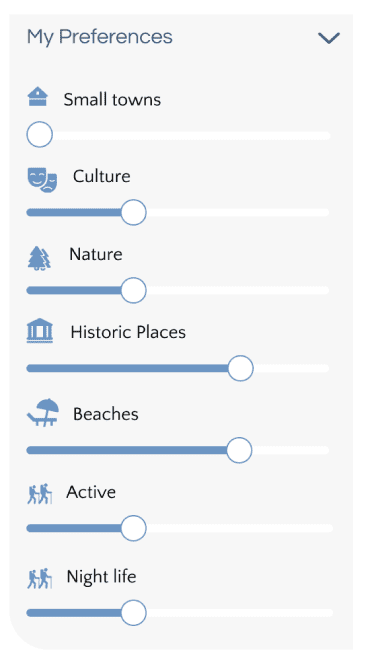
My preferences

5
Small Towns
5
Culture
5
Great Food
5
Nature
5
Historic Places
5
Beaches
5
Night Life
5
Active

Book hotels through RoutePerfect. Secure rooms and rates – free cancellation available. Enjoy Booking.com Genius loyalty program and get travel perks worth up to $300.

Booking.com logo Genius Discounts
Level 1
10% discounts on stays,
applied to the price before taxes & fees.
Level 2
10-15% discounts on stays,
applied to the price before taxes & fees
Level 3
10-20% discounts on stays,
applied to the price before taxes & fees
10% discounts on rental cars,
applied to cost of car only
10-15% discounts on rental cars,
applied to cost of car only
10-20% discounts on rental cars,
applied to cost of car only
+
Routeperfect logo Travel Perks
En-Route
Worth: $200 per car
Discover sights and attractions as you drive between destinations with our ‘En-Route’ app.
Audio City Guide
Worth: $10 - $20 per tour
Explore each city at your own pace with curated audio guides - enjoy one free guide with every stay.
Mobile Organizer
Worth: $10 - $20
Access all your trip details conveniently on your phone, organized in one central place.
Occasions & Events
Worth: $40
Stay up to date on all local events and activities in every destination.

Your trip Itinerary

Nightlife Across Israel

7 days

RoutePerfect YOUR ULTIMATE TRIP PLANNER

Go to your plan
map

1

Tel Aviv, Israel

3 nights

343.11 km | 4 hrs 14 mins

2

Eilat, Israel

3 nights

345.19 km | 4 hrs 16 mins

3

Tel Aviv, Israel

1 nights